Wikipedia

Search results

Sunday, October 4, 2020

GG

Gucci
葛麒 Gé qí
Γῆ Gē [Μονόκερος Γῆ Unicorn land]


3rd, 4th, 5th, 6th, 7th, 8th and 9th G coordinates? up to the 12th?


1st and 2nd G node & plexus


31GaGalliumLatin Gallia, 'France'13469.723(1)
32GeGermaniumLatin Germania, 'Germany'14472.630(8)
64GdGadoliniumgadolinite, a mineral named after Johan Gadolin, Finnish chemist, physicist and mineralogist6157.25(3)
G (Golf)
"I require a pilot." When made by fishing vessels operating in proximity of the fishing grounds it means: "I am hauling nets." With four or five numerals, longitude. (The last two numerals denote min…
G clef
The centre of the spiral defines the line or space upon which it rests as the pitch G above middle C or approximately 392 Hz.
Octaveclef.svgOctave clef
Treble and bass clefs can also be modified by octave numbers. An eight or fifteen above a clef raises the intended pitch range by one or two octaves respectively. Similarly, an eight or fifteen below a clef lowers the pitch range by one or two octaves respectively. A treble clef with an eight below is the most commonly used, typically used for guitar and similar instruments, as well as for tenor parts in choral music.

Music-ottavaalta.svgOttava
8va (pronounced ottava alta) is placed above the staff (as shown) to tell the musician to play the passage one octave higher.
When this sign (or in recent notation practice, an 8vb – both signs reading ottava bassa) is placed below the staff, it indicates to play the passage one octave lower.[12][13]
Music-quindicesimaalta.svgQuindicesima
The 15ma sign is placed above the staff (as shown) to mean play the passage two octaves higher. A 15ma sign below the staff indicates to play the passage two octaves lower.

8va and 15ma are sometimes abbreviated further to 8 and 15. When they appear below the staff, the word bassa is sometimes added.

G or 7
Semaphore character meaning G or 7
Gāmal
Gimel is the third letter of the Semitic abjads, including Phoenician Gīml Phoenician gimel.svg, Hebrew ˈGimel ג, Aramaic Gāmal Gimel.svg, Syriac Gāmal ܓ, and Arabic ǧīm ج (in alphabetical order; fif…
Gamma
Gamma (uppercase Γ, lowercase γ; Greek: Γάμμα Gámma) is the third letter of the Greek alphabet. In the system of Greek numerals, it has a value of 3. In Ancient Greek, gamma represented a voiced velar…

Gibbous Moon
Denotes a waxing gibbous moon or a soli-lunar arc in the range 135°-180°.
Gil-Galad Heraldic Device
Heraldic device of Gil-Galad, a character from J.R.R. Tolkien’s Middle-Earth.
Gimel (South Arabian alphabet)
The letter "g" as rendered in the South Arabian alphabet.
Gimel Letter
Gimel is the third letter of the Semitic abjads, including Phoenician Gīml, Hebrew ˈGimel ג, Aramaic Gāmal, Syriac Gāmal ܓ, and Arabic ǧīm ج (in alphabetical order; fifth in spelling order).
gīml
Gimel is the third letter of the Semitic abjads, including Phoenician Gīml Phoenician gimel.svg, Hebrew ˈGimel ג, Aramaic Gāmal Gimel.svg, Syriac Gāmal ܓ, and Arabic ǧīm ج (in alphabetical order; fif…
Goat (zodiac)
The Goat ( 羊 ) is the eighth sign of the 12-year cycle of animals which appear in the Chinese zodiac related to the Chinese calendar. The Year of the Goat is associated with the earthly branch symbol…
Goddess
Alchemy symbol for the goddess. It was also the symbol for copper and the planet Venus.
Gold
Gold is a dense, soft, shiny, malleable, and ductile metal. It is a chemical element with the symbol Au and atomic number 79.
Gold (alternate #1)
One of several alchemical symbols used to indicate gold.
Gold (alternate #2)
One of several alchemical symbols used to indicate gold.
Gold (Alternative #3)
This Symbol Appears as a triangle with a swirl a
Griffin
The griffin, griffon, or gryphon (Greek: γρύφων, grýphōn, or γρύπων, grýpōn, early form γρύψ, grýps; Latin: gryphus) is a legendary creature with the body, tail, and back legs of a lion; the head and…
Gucci
Gucci is an Italian luxury brand of fashion and leather goods, part of the Gucci Group, which is owned by the French holding company Kering.
G-1 - Office of the Deputy Chief of Staff for Personnel (ODCSPER)
G-2 - Office of the Deputy Chief of Staff for Intelligence (ODCSINT)
G-3/5/7 Operations and Plans
G-4 - Office of the Deputy Chief of Staff for Logistics (ODCSLOG)
G-6 - Office of the Deputy Chief of Information Officer/G6 (CIO/SAIS)
G-8 - Office of the Deputy Chief of Staff for Programs

葛(學名:Pueraria montana var. lobata)

葛國,為歷經夏朝、商朝、周朝三朝的一個小諸侯國,位於夏與商之間。國祚長達約1800年。
夏代有嬴姓葛國,在今河南修武縣境(該在遺有葛伯城、葛伯墓),後為成湯所滅,為成湯滅夏之前哨戰。


In the Xia dynasty, there was a Ying surnamed Ge Guo, and it was in Xiuwu County, Henan Province (the place where Ge Bo City and Ge Bo Tomb remain). It was later destroyed by Cheng Tang and sent out before the Tang and Xia were destroyed.


葛國,為歷經夏朝、商朝、周朝三朝的一個小諸侯國,位於夏與商之間。國祚長達約1800年。 夏代有嬴姓葛國,在今河南修武縣境(該在遺有葛伯城、葛伯墓),後為成湯所滅,為成湯滅夏之前哨戰。 湯征服葛國後,只將葛伯殺死,再次封葛國。 春秋時淪為魯國的附庸,在公元前697年到魯國朝見,後被宋國滅亡。 《春秋·桓公十五年》:邾人、牟人、葛人來朝。
Ge State was a small vassal state that went through the Xia, Shang, and Zhou dynasties, located between Xia and Shang. Guo Zuo was about 1800 years old. In the Xia dynasty, there was a Ying surnamed Ge Guo, and it was in Xiuwu County, Henan Province (the place where Ge Bo City and Ge Bo Tomb remain). It was later destroyed by Cheng Tang and sent out before the Tang and Xia were destroyed. After Tang conquered Ge State, he only killed Ge Bo and once again named Ge State. In the Spring and Autumn Period, he became a vassal of the State of Lu. In 697 BC, he visited the State of Lu and was later destroyed by the State of Song. "The Fifteenth Year of the Spring and Autumn·Huan Gong": Chu Ren, Mou Ren, Ge Ren came to court.

葛玄[編輯]

維基百科,自由的百科全書
跳至導覽跳至搜尋
葛玄畫像

葛玄(164年-244年),字孝先,三國時孫吳道士,琅琊(今屬山東)人,《抱朴子》著者葛洪從祖父,人稱葛仙翁或太極左仙公。自幼好學,博覽五經。喜老莊學說。

西晉時傳說,葛玄遇到方士左慈,得受《太清》《九鼎》《金液》等丹經、《三元真一妙經》等,傳授給鄭隱(鄭隱後來又把丹經給葛洪)。葛玄後遨遊括蒼山、南嶽、羅浮山、閣皂山諸山。道書中有關於葛玄能辟穀,用符籙為人驅病,行諸奇法的種種傳說。

東晉後期傳說,太極真人徐來勒把靈寶經傳授葛玄,葛玄傳給鄭隱,鄭隱傳給葛洪,再輾轉傳給葛巢甫,自此靈寶經大行於世。葛玄成為靈寶經出世與傳授的關鍵人物。

宋崇寧三年(1104年)封為沖應真人。道教靈寶派派別閣皂宗奉葛玄為祖師。在某些道教流派中,葛玄與張道陵、許遜、薩守堅共為四大天師。

Ge Xuan (164-244), named "Filial Piety Prevails", was a grandson of Taoist Wu during the Three Kingdoms period, a native of Langya (now in Shandong), and the grandfather of Ge Hongcong, the author of "Baopuzi", known as Ge Xianweng or Taiji Zuo Xiangong. He was eager to learn since he was a child, and he had read the Five Classics. Xi Laozhuang theory.
According to legend in the Western Jin Dynasty, when Ge Xuan met Zuo Ci, the alchemist, he had to accept the alchemy scriptures such as "Taiqing", "Jiu Ding", and "Gold Liquid", and the "Three Yuan Zhenyi Miaojing", etc. and taught them to Zheng Yin (Zheng Yin later gave the alchemy to Ge Hong). Ge Xuan travelled around the mountains of Cangshan, Nanyue, Luofu Mountain and Gezao Mountain. There are legends in the Taoist books about Ge Xuanneng bigu, using talisman to drive people away from diseases, and perform various strange methods.
According to legend in the late Eastern Jin Dynasty, Xu Laile, a real Tai Chi man, taught the Lingbao Scriptures to Ge Xuan, Ge Xuan to Zheng Yin, Zheng Yin to Ge Hong, and then to Ge Chaofu. Ge Xuan became a key figure in the birth and teaching of Lingbao Scripture.
Song Chongning three years (1104) named Chongying real person. The Taoist Lingbao faction Ge Zaozong regards Ge Xuan as the ancestor. In some Taoist schools, Ge Xuan, Zhang Daoling, Xu Xun, and Sa Shoujian are the four great masters.
葛洪(283年-343年),字稚川,號抱朴子,人稱葛仙翁,丹陽句容(今屬江蘇)人,是晉朝時代的陰陽家,醫學家、博物學家和製藥化學家,煉丹術家,著名的道教人士。他在中國哲學史、醫藥學史以及科學史上都有很高的地位。相傳《靈寶經》內中經文,為葛玄傳給鄭隱,鄭隱傳給葛洪,後轉傳予葛巢父。 葛
Ge Hong (283-343), whose name was Zhichuan and Baopuzi, was known as Ge Xianweng, a native of Jurong, Danyang (now in Jiangsu). He was a Yin-Yang family, medical scientist, naturalist and pharmaceutical chemist in the Jin Dynasty. , Alchemist, a famous Taoist person. He has a high position in the history of Chinese philosophy, medicine and science. According to legend, the middle scriptures in the "Lingbao Jing" were passed to Zheng Yin by Ge Xuan, and Zheng Yin to Ge Hong, and then passed on to Ge Chaofu.


【葛】郑樵注云:“(本古国名),伯爵,赢姓,夏时诸侯国。今许州郾城北三十里有葛伯城,子孙以国为氏。”又引《风俗通》云:“葛天氏之裔(亦有葛氏)。”葛天氏,传说为远古帝王,其后或以名号为氏。@葛剑雄 @葛文耀
[Ge] Zheng Qiao's note: "(The name of this ancient country), earl, surname Winner, a vassal country during the Xia dynasty. Today there is Gebocheng thirty miles north of Yuncheng in Xuzhou, and the descendants are family members." : "The descendant of the Ge Tian clan (also known as the Ge clan)." The Ge Tian clan is said to be an ancient emperor, and may later be named the clan. @葛剑雄 @葛文耀

葛姓简介

“葛”字拼音:gě,“葛”属于非常用字,“葛”字部首是:艹,构造是:艹日匃,繁体字和笔画为:葛:15;葛的五行属性是木,自『乐趣圈(QQLQQ.COM)』收录本姓氏,已经有851人次浏览。

葛姓全国人口约 140 多万,属最常见姓氏,最新统计的人口排名排在第135位,本姓氏人口在历史的排名位置在下图的“葛姓各个时期人口排名走势图”进行查看分析。

葛姓各个时期人口排名走势图

说明:走势图根据北宋、宋朝、元朝、明朝等朝代及1982年、1987年、1995年、2006年、2007年、2013年、2014年、2018年、2019年的葛姓的人口排名名次得出的走势图,显示为0的节点为当前时期未统计到葛姓排名。

葛姓网民地区分布和葛姓人口地区分布


说明:本统计根据网友访问查询名字测试排名进行的统计,和全国人口普查统计的数据不完全一致,本数据每周更新一次。

葛姓人口在各个省市的最新分布

葛姓在人群中分布频率示意图

当代葛姓的人口近140万,为中国第一百二十六位姓氏,大约占中国人口的0.11%。自宋朝至今近1000年来葛姓人口增加率呈下降的态势。截至2007年,葛姓的第一大省为江苏,大约占全国葛姓人口的18%,江苏、安徽、河南、河北是葛姓的主要分布区,四省葛姓大约占全国葛姓人口的49%。其次分布于浙江、山东、黑龙江、辽宁、吉林、山西、内蒙古,七省区又占葛姓人口31%。全国基本上形成了以江浙为中心,沿海岸线向北,直入东北的葛姓分布区。葛姓在人群中分布频率示意图(右图)表明:在苏沪皖鲁、浙江北部、河南东部、山西东南端、河北大部、京津、辽吉西部、黑龙江大部、内蒙古东部,葛姓在当地人群中分布频率为0.18%以上,中心地区可以达到1.2%以上,以上覆盖面积约占了国土总面积的19.5%,该地区居住了大约62%的葛姓人群。在河北南部、鄂豫晋大部、陕宁、甘肃西部和东部、新疆西北、内蒙古中部、重庆北端、湖南东北、赣闽大部、贵州西段、四川南部、云南大部、辽宁东部、吉林中部,葛姓在当地人群中分布频率为0.09%~o.18%之间,以上覆盖面积约占了国土总面积的29%,该地区居住了大约26.5%的葛姓人群。

中国葛姓村庄分布统计(截至2011年共3363个)河南省(385个)郑州市(11个)洛阳市(22个)信阳市(40个)济源市(6个)驻马店市(46个)南阳市(63个)安阳市(8个)漯河市(6个)平顶山市(13个)三门峡(8个)许昌市(13个)周口市(36个)焦作市(12个)商丘市(53个)濮阳市(22个)新乡市(9个)鹤壁市(5个)山东省(299个)济南市(9个)淄博市(5个)青岛市(45个)菏泽市(28个)潍坊市(31个)日照市(18个)泰安市(12个)烟台市(15个)威海市(11个)济宁市(25个)滨州市(2个)德州市(16个)枣庄市(10个)聊城市(24个)临沂市(48个)河北省(61个)石家庄(1个)秦皇岛(1个)赤峰(5个)保定(4个)唐山(10个)张家口(1个)衡水(16个)邯郸(2个)邢台(13个)北京市(5个)天津市(6个)辽宁省(42个)大连(3个)本溪(2个)葫芦岛市(9个)营口(5个)抚顺(4个)锦州(4个)鞍山(10个)铁岭(2个)朝阳(5个)辽阳(1个)阜新(2个)吉林省(36个)长春市(14个)辽源市(1个)通化(7个)四平(7个)松原市(7个)黑龙江省(29个)哈尔滨(9个)伊春市(1个)黑河市(1个)大庆市(1个)鸡西市(2个)牡丹江(2个)齐齐哈尔(4个)绥化市(9个)内蒙古(13个)呼和浩特(3个)呼伦贝尔(2个)锡林郭勒盟(3个)巴彦淖尔(3个)鄂尔多斯(2个)山西省(38个)大同(3个)长治(4个)忻州(6个)临汾(15个)晋中(2个)吕梁(7个)阳泉(1个)陕西省(79个)西安(6个)汉中(10个)咸阳(3个)商洛市(11个)铜川(2个)延安(3个)安康市(10个)宝鸡(13个)榆林(16个)甘肃省(59个)兰州(12个)酒泉(9个)临夏回族州(1个)定西市(8个)武威市(1个)张掖(7个)天水市(3个)庆阳市(10个)白银市(6个)平凉市(2个)宁夏(6个)中卫市(2个)固原市(4个)青海省(3个)西宁(3个)新疆(3个)乌鲁木齐(2个)昌吉州(1个)四川省(134个)成都市(1个)南充市(9个)德阳市(2个)广安市(6个)达州(12个)绵阳(8个)广元市(8个)巴中(14个)宜宾(8个)雅安市(1个)甘孜州(8个)自贡(10个)乐山(24个)阿坝州(4个)内江(5个)泸州(7个)资阳(4个)遂宁市(3个)重庆市(63个)云南省(33个)昆明(5个)普洱市(1个)丽江(1个)昭通(7个)西双版纳(1个)大理(4个)曲靖(2个)临沧市(1个)楚雄(4个)玉溪(6个)文山(1个)贵州省(70个)贵阳(1个)安顺(2个)毕节地区(8个)遵义(22个)黔南布依族自治州(5个)六盘水(1个)铜仁地区(25个)黔东南自治州(1个)广西省(78个)南宁(6个)柳州(3个)玉林(3个)钦州(17个)桂林(12个)梧州(1个)北海(3个)来宾市(2个)贺州市(3个)防城港(12个)河池(5个)百色(6个)崇左(5个)广东省(104个)广州(4个)韶关(4个)汕头(9个)佛山(3个)惠州(8个)潮州(7个)江门(1个)河源(8个)梅州(12个)肇庆(5个)湛江(22个)清远(6个)阳江(4个)茂名(11个)海南(3个)海口(1个)琼海(1个)万宁(1个)湖南(123个)长沙(10个)永州(4个)怀化(24个)株洲(4个)邵阳(10个)湘西(5个)湘潭(10个)郴州(7个)衡阳(8个)湖北省(140个)武汉(12个)恩施(5个)荆门(3个)黄石(5个)襄樊(13个)仙桃(1个)鄂州(8个)随州(3个)潜江(1个)黄冈(13个)宜昌(17个)咸宁(25个)孝感(4个)荆州(9个)江西省(176个)南昌(7个)抚州(9个)赣州(21个)九江(18个)宜春(22个)吉安(17个)景德镇(9个)鹰潭(14个)上饶(59个)安徽省(705个)合肥(89个)芜湖(17个)池州(22个)六安(91个)巢湖(55个)安庆(74个)阜阳(42个)滁州(53个)铜陵(6个)亳州(116个)蚌埠(23个)淮北(18个)江苏省(394个)南京(37个)盐城(55个)徐州(54个)扬州(32个)无锡(13个)连云港(33个)泰州(38个)常州(2个)宿迁(104个)南通(1个)镇江(25个)淮安(58个)浙江省(183个)杭州(47个)温州市(10个)金华(38个)湖州市(10个)台州市(16个)丽水(17个)嘉兴市(18个)舟山市(4个)绍兴(18个)宁波(32个)福建省(69个)福州(4个)三明市(11个)宁德(6个)莆田市(1个)龙岩市(7个)南平市(24个)泉州市(6个)漳州(10个)

葛姓起源(来源)

葛姓起源一

葛氏源于葛天氏,出自远古部落葛天氏族,属于以部落名为氏。据史籍《风俗通》记载,远古时期,有个部落居葛地,以居邑名称为部族姓氏,称葛天氏。按史书记载,葛天氏起源非常古老,而且还在人文始祖伏羲氏之前。据传,葛天氏的后裔子孙在后来省文简化为单姓,称葛氏,世代相传至今,是为最古老的葛氏之始。

葛天氏下传四十二世至伯益之时,当时属于嬴姓之国。伯益帮大禹治水有功,禹想让位给伯益,伯益隐退,禹子启继位,封伯益长子大廉为诸侯伯爵国葛国国君,称葛伯并准其在古葛地(今河南省宁陵县周边)建葛国。据典籍《孟子·滕文公》中的记载:“汤居毫,与葛伯为邻。”司马迁《史记》记载:『商汤始居亳,与葛伯为邻,商征诸侯,葛伯不祀,商汤罚之』。商汤灭葛国和其他诸侯国并建立商朝后,商汤封葛伯后裔为商朝附庸国葛伯国。葛国被灭后,葛伯的后世子孙多以故国名称为姓氏,称葛氏。

周武王灭殷商后,在西周初期,又寻回葛伯后裔,封赐有葛国,为子爵,这是葛伯国第二次被灭。周桓王姬林二年(公元前718年),葛国被郑庄公姬寤生所吞灭,其后在其故国之地还爆发了宋、郑两国之间的著名“长葛之战”;十年后的周桓王十三年(公元前707年),郑国为了争霸中原,又在其地爆发了针对周王朝的著名“繻葛之战”;葛国故地成了楚国、鲁国等诸侯们争霸春秋的的古战场,于公元前557年葛伯国被场地灭亡。

葛国再次灭亡后,其王族子孙和国民中有以国名为姓氏者,称葛氏,世代相传至今,一支系留居古葛地,后世称梁国郡,外迁四大支系:顿丘郡、琅琊郡、颖川郡、扶风郡。原居于琅琊郡诸县之葛氏有一支迁徙至阳都,因阳都已有葛氏,遂称后迁来的葛氏为诸葛氏,后有省文再称葛氏者。

葛氏正确读音作gài(ㄍㄞˋ),今读作gě(ㄍㄜˇ)亦可。

葛姓起源二

源于鲜卑族,出自南北朝时期鲜卑贺葛氏部落,属于汉化改姓为氏。北魏时期,有戎狄民族的分支贺葛氏部落,后为鲜卑拓拔部吞并。据史籍《魏书·官氏志》的记载,贺葛氏随北魏孝文帝南迁洛阳后,定居中原洛阳,在汉化改革过程中改为汉姓葛氏,是为河南葛氏的一支。

该支葛氏正确读音作gě(ㄍㄜˇ)。

葛姓起源三

源于其他各少数民族,属于汉化改姓为氏。今土家族、回族、苗族、黎族等少数民族中,均有葛氏族人分布,其来源大多是在唐、宋、元、明、清时期中央政府推行的羁糜政策及改土归流运动中,流改为汉姓葛氏,世代相传至今。

葛姓起源四

源于蒙古族,出自明、清时期成吉思汗后裔脱欢,属于避难汉化改姓为氏。从元朝顺帝孛尔只斤氏·妥欢帖睦尔至正二十八年(明太祖朱元璋洪武元年,公元1368年)元朝灭亡到今天已有六百四十年了,其缔造者成吉思汗本名为孛尔只斤氏·铁木真。如今居住在江苏泰州、兴化两地的葛氏居民一直认定是蒙古族后裔,是成吉思汗的后代,并以一本清朝咸丰年间所修《葛氏宗谱》为证。据该部《葛氏宗谱》记载,元朝末期元顺帝执政时期民不聊生,全国范围内爆发了红巾军起义。当时成吉思汗的后代镇南王孛尔只斤氏·脱欢之子淮王孛尔只斤·帖木尔不花正在元大都(今北京)朝中任监国,侄儿义王孛尔只斤·和尚辅佐其执政。元至正二十七年(公元1367年),明太祖开始大举北伐,在大将徐达、常遇春等所率明军的强力攻击下,于元至正二十八年(公元1368年)农历8月攻陷元大都,元朝政府自此灭亡,元顺帝逃往应昌(今内蒙古克什腾旗西北一带)。如今,江苏如皋一带冒氏已被当地民政部门确认为成吉思汗后代。同时,《如皋冒氏宗谱》和《兴化葛氏宗谱》中关于孛尔只斤氏·帖木尔不花等的事迹与历史记载相互吻合,证明在泰州、兴化的葛氏族人确为成吉思汗后代。

该支葛氏正确读音作gě(ㄍㄜˇ)。

葛姓起源五

源于满族,出自明、清时期女真各部,属于汉化改姓为氏。据史籍《清朝通志·氏族略·满洲八旗姓》记载:

⑴.满族格佳喇氏,亦称葛加尔氏,满语为Gegiyala Hala,世居长白山。清朝中叶以后多冠汉姓为葛氏、盖氏等。

⑵.满族格济勒氏,亦称葛济勒氏,满语为Gejile Hala,汉义“捕鸟笼的木框”,世居雅兰(今俄罗斯雅兰河流域)、伊兰包托克索(今黑龙江齐齐哈尔三家子)、绥分(今吉林绥分河上游地区)、通吉(今吉林敦化)、宁古塔(今黑龙江宁安)等地。后有锡伯族引为姓氏者。清朝中叶以后多冠汉姓为葛氏、鄂氏等。

⑶.满族果尔吉氏,亦称郭尔吉氏,满语为Gorgi Hala,汉义“铲子”,世居郭洛罗河(今黑龙江乌苏里江诺罗河支流)、吉林乌拉(今吉林永吉)、哈达(今辽宁西丰小清河流域)、伯都讷(今吉林松源)等地。后有锡伯族引为姓氏者。清朝中叶以后多冠汉姓为葛氏、郭氏、高氏等。

⑷.满族墨勒哲哷氏,亦称莫尔哲勒氏,满语为Moljere Hala,汉义“用刀复仇”,世居松花江、黑龙江、巴林(伯力,今俄罗斯哈布罗夫斯克)、白石(今牡丹江镜泊湖)、阿穆达(今黑龙江哈尔滨山彦倭和)等地。后有达斡尔族引为姓氏者。清朝中叶以后多冠汉姓为葛氏、孟氏、曹氏、莫氏等。

满族葛氏正确读音皆作gě(ㄍㄜˇ)。

葛姓起源六

源于鄂温克族,出自明朝时期鄂温克族喀尔佳氏族,属于汉化改姓为氏。据史籍《清朝通志·氏族略·满洲八旗姓》记载:鄂温克族喀尔佳氏,亦称卡尔他昆氏、卡尔他考廖夫,世居索伦(今黑龙江嫩江以西广大地区)。后有满族引为姓氏者,满语为Karja Hala。清朝中叶以后,鄂温克族、满族喀尔佳氏多冠汉姓为葛氏。

该支葛氏正确读音作gě(ㄍㄜˇ)。

葛姓郡望

顿丘郡:汉朝初期置顿丘县,其时辖地在今河南清丰西南一带地区。顿丘郡始建于西晋泰始二年(丙戌,公元266年),治所在顿丘(今河南清丰),下领四县,其时辖地在今河南省清丰、濮阳、内黄、南乐、范县等地。南北朝时期的北齐曾废黜。唐朝至五代十国时期,曾以顿丘为澶州治所。

梁郡:亦称梁国、梁国郡,始建于西汉高祖刘邦五年己亥(己亥,公元前202年),此之前叫砀郡,治所在淮阳(今河南商丘),下辖八县,其范围包括今河南商丘、虞城、民权及安徽砀山、山东曹县诸地。三国曹魏时期始改为梁郡,南北朝宋国定为梁郡,移治下邑(今安徽砀山)。北魏时期又回故治,隋朝开皇初年(辛丑,公元581年)废黜,后曾以宋州为梁郡。唐朝时期为睢阳郡。

颍川郡:战国时期秦国灭韩国后,以所得韩地于秦王赢政十七年(辛未,公元前230年)置颍川郡,治所在阳翟(今河南禹县),其时辖地在今河南省许昌一带地区。东魏时期迁治颍阴(长社,今河南许昌)。隋、唐两朝为许州颍川郡。

句容县:汉武帝元朔元年癸丑(公元前128年)置县,即今江苏省句容县。起初隶属鄣郡,西汉朝元封元年壬申(公元前109年)改其为隶属丹阳郡。

葛姓堂号

梁国堂:因国立堂。

顿邱堂:以望立堂。

张掖堂:以望立堂。

梁国堂:以望立堂。

顿丘堂:以望立堂。

颍川堂:以望立堂。

句容堂:以望立堂。

清柳堂:以望立堂。

余庆堂:以望立堂。

崇德堂:以望立堂。

正德堂:以望立堂。

承德堂:以望立堂。

载德堂:以望立堂。

读书堂:以望立堂。

树滋堂:以望立堂。

抱朴堂:以望立堂。

光达堂:以望立堂。

读书堂:以望立堂。

覃兮堂:以望立堂。

葛姓源流

一、葛gě

现行较常见姓氏。今北京,天津之武清,河北之尚义、阜平,山东之龙口、平邑,安徽之合肥,江西之金溪,广西之田林,云南之陇川,四川之合江、南江等地均有分布。汉族、赫哲族、鄂伦春族、裕固族等皆有此姓。《郑通志·氏族略》亦收载。其源不一:

1、郑樵注云:“(本古国名),伯爵,赢姓,夏时诸侯国。今许州郾城北三十里有葛伯城,子孙以国为氏。”

2、又引《风俗通》云:“葛天氏之裔(亦有葛氏)。”葛天氏,传说为远古帝王,其后或以名号为氏。

3、又云:“贺葛氏改为葛氏,虏姓也。”贺葛乃后魏代北姓。

4、或为洪姓所改。《姓氏考略》注云:“汉洪曩祖子浦庐(一作‘葛庐’),起兵佐光武有大功,封下邳僮县侯,庐让封於弟文,南渡江,家于句容,为吴中葛氏所出。”

5、又,郑樵云:“葛氏居於诸邑者为诸葛氏。”

6、鄂伦春族之葛姓。由“葛钦”、“葛佤依尔”哈拉所改,皆取其首音谐“葛”而为单姓。

7、裕固族之葛氏,则由格鲁(亦称“格鲁克”)氏所改。“格鲁”本指喇嘛教之格鲁派,亦即黄教,遂或以教派名为姓,或取“格鲁”之首音谐“葛”而为单姓。

葛姓起名的基本原则和起名原理

1、葛姓用字只有1个读音gě,起名字的时候一定要注意读音,避免葛姓和名字中发音相同或相似的声母韵母放在一起作为名字,这样读起来很拗口,比如:南兰倪、孙存春等。

2、葛姓葛笔画有12画,笔画数较多,写起来比较麻烦,如果名字中的笔画太少,会很不协调,如果名字中笔画太多,写起来会很麻烦。

3、葛姓五行属木,葛姓吉凶寓意为吉,葛姓宝宝起名字应该从寓意出发,这样的孩子在成长的过程中也会朝着这个方向发展。

4、葛姓宝宝起名字最好结合孩子的生辰八字,这样起的名字更符合五行数理,如需根据生辰八字免费起名,可以参考乐趣圈“生辰八字起名”。

总而言之,起名的基本原则是:念着好听、写着好写、有意境和寓意、符合五行数理。

葛姓高分名字大全

葛姓男孩名字和女孩名字有区别,下面分别列出葛姓男孩好听的名字大全和葛姓女孩好听的名字大全(点击名字链接可以查询该名字的得分):

1、葛姓男孩好听的名字大全

葛亚秀  葛继业  葛宸言  葛金鑫  葛骐睿  葛峻熙  葛轩青  葛映阳  葛宸旭  葛光涛  葛军扬  葛晨旭  葛海然  葛恒焘
葛赛赛  葛紫涵  葛锦焘  葛俊红  葛峻逸  葛卿熙  葛哲圣  葛执业  葛紫麟  葛明宇  葛使  葛臻  葛隆  葛禺
葛佰  葛金  葛晔  葛昱  葛政  葛镇  葛铸  葛继  葛窦  葛湾  葛异  葛衡  葛禹  葛虎
葛钟  葛兆  葛治  葛缤  葛腾  葛建  葛锡  葛长  葛阔  葛舍  葛骅  葛省  葛行  葛逊

2、葛姓女孩好听的名字大全

葛昕欣  葛昕宜  葛珏蓉  葛妮子  葛蕊朵  葛亭婵  葛昕瑶  葛星瑶  葛鸳鸳  葛瑾瑶  葛昕思  葛梦瑶  葛昕丝  葛昕斯
葛昕喜  葛妮苑  葛萍宏  葛琼蕾  葛三梅  葛凤来  葛文霞  葛秀玲  葛琼  葛霓  葛竹  葛蔓  葛昕  葛姝
葛俐  葛妮  葛姗  葛竺  葛鸳  葛贞  葛蕙  葛妲  葛莲  葛玑  葛飘  葛香  葛璎  葛丽
葛蓝  葛鸯  葛妃  葛朵  葛禧  葛宛  葛蕴  葛珏  葛蓓  葛馥  葛颖  葛燕  

姓葛的历史名人大全

共查询到:6位姓葛的历史名人:

1、葛洪(GE HONG),字稚川,自号抱朴子,晋及十六国丹阳句容(今属江苏)人。

名人葛洪的画像

葛洪画像

东晋道教理论家、医学家、炼丹术家。少贫好学,博览典籍,尤好神仙导养之法。师事郑隐、鲍玄,并得其法。惠帝大安中,以破石冰功,拜伏波将军,后还乡里,赐爵关内侯。入东晋,闻交趾出丹砂,求为句漏令。葛洪迁广州,止罗浮山炼丹,积年而卒。有《抱朴子》、《金匮药方》、《神仙传》、《集异传》等。《葛稚川移居图轴》元王蒙绘,故宫博物院藏。《人物图·葛仙吐火图》明郭诩绘,上海博物馆藏。《稚川炼丹》(局部)为晚清钱慧安绘。葛洪像取自清画家任熊绘《列仙传》。《葛洪移居图》日本画家富冈铁斋1911年绘。

2、葛长庚(GE CHANGGENG),字白叟,又字如晦,号海琼子,又号海蟾,宋辽金闽清(今属福建)人。

名人葛长庚的画像

葛长庚画像

南宋道士。入道武夷山,初至雷州,继为白氏子,梓名白玉蟾,博览群籍,善篆隶草书,工画竹石,宁宗嘉定中诏征赴阙,对称旨,命馆太乙宫,常往来名山,诏封紫清道人,有《海琼集》、《道德宝章》、《罗浮山志》。葛长庚像取自明万历刻本《海琼玉蟾先生文集》。

3、葛乾孙(GE QIANSUN),1305—1353,字可久,元代平江路长洲(今江苏苏州)人。

名人葛乾孙的画像

葛乾孙画像

元代医学家。江浙官医提举葛应雷之子。好击刺战阵法,后读书,兼通阴阳、律书等,屡试不第,乃习父业,不轻为人治疾,治辄有奇效。葛乾孙像取自清顾沅辑,道光九年刻《吴郡名贤图传赞》,清孔继尧绘。

4、葛一龙(GE YILONG),1567—1640,字震甫,明代南直隶苏州府吴县洞庭山(今属江苏苏州)人。

名人葛一龙的画像

葛一龙画像

明末书画家、诗人,以读书好古致家道中落。后入资为郎,选授云南布政司理问,寻谢归。有诗名,人称葛髯。葛一龙画像明曾鲸绘,故宫博物院藏。

5、葛寅亮(GE YINLIANG),字水鉴,号屺瞻,明代浙江钱塘(今杭州)人。

名人葛寅亮的画像

葛寅亮画像

明代官吏。万历三十五年主持南京祠部,先后为报恩、栖霞、瓦官、天界四个寺庙撰写碑文十通,编著有《金陵梵刹志》。葛寅亮彩像为明代所绘,现藏南京博物院。

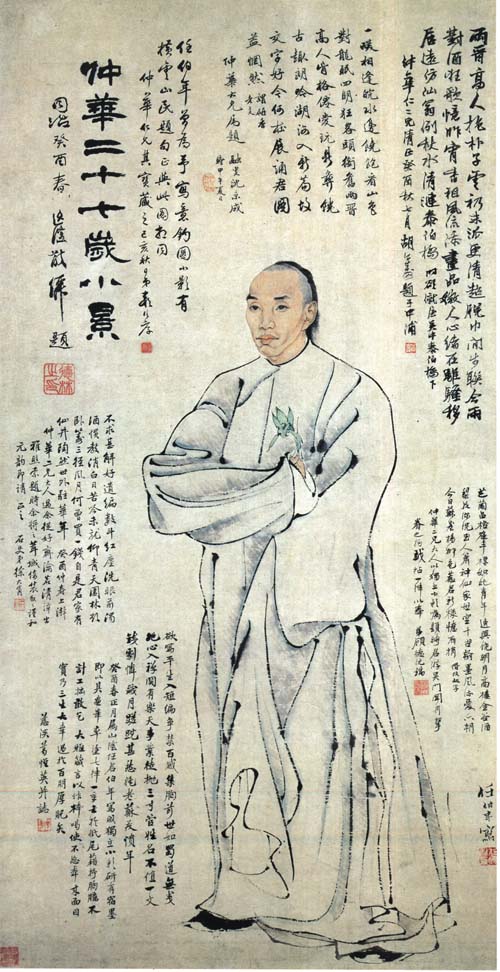
6、葛仲华(GE ZHONGHUA),1847—?,又名葛惟英,清代浙江慈溪人。
名人葛仲华的画像

葛仲华画像

清代文人。工诗,善玩鼎彝之器。葛仲华像为清任伯年1873年绘,故宫博物院藏。

姓葛的明星大全

共检索到:16位姓葛的明星:

1、葛兆恩(Ge Zhaoen),身高:184CM,B型血,天蝎座,职业为:歌手,生日:1997年11月10日,出生地:中国台湾,葛兆恩,1997年11月10日出生,台湾著名歌手高凌风的儿子,歌手,音乐作品有:《冬天里第二把火》《为什么为什么为什么》《摇滚妹妹》。2011年发行个人首张单曲《冬天里的二把…

葛兆恩照片

葛兆恩照片

2、葛飞扬(Green),天蝎座,职业为:歌手,生日:1995年11月19日,出生地:新疆乌鲁木齐市,葛飞扬,1995年11月19日出生于新疆乌鲁木齐市,中国内地女歌手,就读于新疆大学。外形和嗓音颇似“周笔畅”,有“小周笔畅”之称。2012年获得青海卫视《花儿朵朵》贵阳赛区冠…

葛飞扬照片

葛飞扬照片

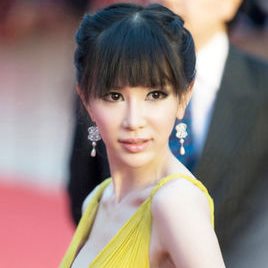
3、葛思然,身高:168CM,体重:45KG,A型血,射手,生日:1988年12月1日,出生地:北京,葛思然,1988年12月1日出生于北京,毕业于中央戏剧学院表演系2004年因在雅典奥运会闭幕式中“中国8分钟”环节演出茉莉花而受到关注;2005年出演张艺谋导演电影《满城尽带黄金…
葛思然照片

葛思然照片

4、葛晓倩(Gladys),身高:171CM,体重:51KG,O型血,处女座,职业为:歌手,模特,生日:1989年9月2日,出生地:上海南汇区,葛晓倩,1989年9月2日生于上海南汇区,歌手、模特。09我型我秀6强08绝对唱响7强。

葛晓倩照片

葛晓倩照片

5、葛兆恩(Ge Zhaoen),身高:184CM,B型血,天蝎座,职业为:歌手,生日:1997年11月10日,出生地:中国台湾,葛兆恩,1997年11月10日出生,台湾著名歌手高凌风的儿子,歌手,音乐作品有:《冬天里第二把火》《为什么为什么为什么》《摇滚妹妹》。2011年发行个人首张单曲《冬天里的二把…

葛兆恩照片

葛兆恩照片

6、葛荟婕,体重:50KG,AB型血,双鱼座,生日:1987年2月22日,出生地:浙江金华市,葛荟婕,女,中国超模。曾获2002年纳爱斯杯十佳模特称号和2004年法国皮尔卡丹国际模特大赛亚军。18岁时为汪峰生下女儿小苹果。人物关系有错误13081已反馈纠错关闭纠错快速导…

葛荟婕照片

葛荟婕照片

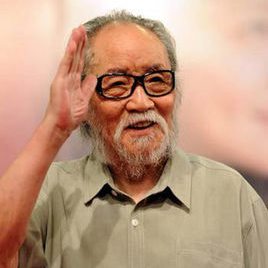
7、葛存壮(Cunzhuang Ge),A型血,摩羯座,职业为:演员,生日:1929年1月13日,出生地:河北省衡水市饶阳县东万艾村,葛存壮,1929年1月13日出生于河北衡水市,北京电影制片厂演员。1949年,葛存壮加入东北电影制片厂任演员,开始了电影演员的生涯。1960年,因在电影《红旗谱》中饰演冯兰池而…
葛存壮照片

葛存壮照片

8、葛优(Ge You),白羊座,职业为:演员,生日:1957年4月19日,出生地:北京,葛优,1957年4月19日出生于北京,中国内地男演员,国家一级演员。1979年考入中华全国总工会文工团。1985年,出演个人首部电影《盛夏和她的未婚夫》,从而正式出道。1992年,…

葛优照片

葛优照片

9、葛民辉(Eric Kot Man Fai),身高:173CM,AB型血,摩羯座,职业为:演员,歌手,主持人,导演,生日:1966年12月30日,出生地:香港,经纪公司:新艺宝唱片(1990-1996),金牌大风;葛民辉,1966年12月30日出生于香港,香港演员、歌手、主持人,导演,监制。素有“潮人教父”之称。自1988年3月开始,加入商业电台从事广播的工作,同年与林海峰合组成软硬天…
葛民辉照片

葛民辉照片

10、葛珊珊(ShanShanGe),O型血,狮子座,生日:1983年8月17日,出生地:吉林省德惠市,经纪公司:本山传媒;葛珊珊(ShanShanGe),女,1983年8月17日出生于吉林省德惠市,中国二人转演员,电视剧演员。饰演《乡村爱情2》、《乡村爱情故事》、《乡村爱情交响曲》、《乡村爱情圆舞曲》…

葛珊珊照片

葛珊珊照片

篇幅所限,本页面只列出前10位,更多葛姓明星请访问“明星”进行查询。

姓葛的影视剧角色名字

共检索到:11位葛姓角色名字:

1、2015年上映的电视剧《长在面包树上的女人》中角色“葛米儿”由“叶青”扮演;葛米儿在剧中的简介如下:

从日本回国发展的偶像歌手葛米儿,很爱唱歌,更爱林方文。曾经说过林方文能治愈她的眼泪。

葛米儿照片

葛米儿照片

2、2013年上映的电视剧《壮士出川》中角色“葛薇”由“衣珊”扮演;葛薇在剧中的简介如下:

靓丽的外形,飒爽的英姿。女人跟着作战,并且亲自和部队一起杀鬼子,在军统特务里,并不多见。初识张抗,便注定了两人的纠葛。互相看不上,却又印象深刻。

葛薇照片

葛薇照片

3、2013年上映的电视剧《盛夏晚晴天》中角色“葛梅巧”由“顾艳”扮演;葛梅巧在剧中的简介如下:

葛梅巧照片

葛梅巧照片

4、2013年上映的电视剧《盛夏晚晴天》中角色“葛眉巧”由“顾艳”扮演;葛眉巧在剧中的简介如下:

夏晚晴的母亲,势利无比、百般挑剔,整日只知道在富商名流太太之间,比珠宝、比享受、比谁家的女儿嫁得好。

葛眉巧照片

葛眉巧照片

5、2015年上映的电视剧《铁在烧》中角色“葛十三”由“王雷”扮演;葛十三在剧中的简介如下:

神机俊侠。葛十三,男,28岁,山西运城人,性格内敛,沉稳机智,有胆有识。为报家仇投笔从戎,后为西北抗日做出不可磨灭的贡献。

葛十三照片

葛十三照片

6、2013年上映的电视剧《新编辑部故事》中角色“葛玲”由“吕丽萍”扮演;葛玲在剧中的简介如下:

编辑部主编。

葛玲照片

葛玲照片

7、2015年上映的电视剧《麻雀春天》中角色“葛红菱”由“蒋欣”扮演;葛红菱在剧中的简介如下:

知性干练、投身革命事业的江南大户人家的女子。因为家庭条件优越而受过高等教育的她在战争爆发后毅然选择走上了革命道路。当他出现在赵包子的视线中时,便被赵包子奉为女神般的崇拜。

葛红菱照片

葛红菱照片

8、2014年上映的电视剧《满仓进城》中角色“葛红”由“刘钇彤”扮演;葛红在剧中的简介如下:

女知青,偏激且有心计的女人。暗恋俊朗高大的邱建明,却因为邱建明与景梅在一起而心生嫉妒。后自己的大学梦被破坏,导致真正怀恨在心,为了报复而开始处处刁难景梅,一直在景梅与满仓之间从中作梗,导致两人之间曲折异常,是剧中的反派。

葛红照片

葛红照片

9、2017年上映的电视剧《独步天下》中角色“葛戴”由“黄思涵”扮演;葛戴在剧中的简介如下:

阿巴亥堂姑,皇太极侧福晋,初为东哥的丫头。婷婷秀婉,拳拳真心,与东哥虽为主仆,但情同姐妹。无私奉献以求东哥和皇太极可以有情人终成眷属。

葛戴照片

葛戴照片

10、2018年上映的电视剧《我的青春遇见你》中角色“葛青”由“王泇淇”扮演;葛青在剧中的简介如下:

陈也的相亲对象,后成为陶建设的女朋友

葛青照片

葛青照片

篇幅所限,本页面只列出前10位角色名,更多葛姓角色请访问“角色名”进行查询。

葛姓孩子起名总结

给葛姓男孩和女孩起名可以点击链接:葛姓男孩起名、葛姓女孩起名。

总结:《百家姓》成文于北宋初年,原姓氏共411个,后增补到504个,其中单姓共444个,复姓共60个;乐趣圈共收录3368个姓氏,其中单姓1373个,复姓1995个,本文“葛”姓在最新排名中排在135位。

Origin of the Ge Surname (Source)
Origin of Ge

The Ge clan originated from the Ge Tian clan, from the ancient tribe Ge Tian clan, belonging to the tribe named clan. According to the historical record "Fun Su Tong", in ancient times, there was a tribe living in Gedi. The name of the tribe was named Ge Tianshi. According to historical records, the origin of the Getian clan is very old, and it is still before the Fuxi clan, the ancestor of the humanities. According to legend, the descendants of the Ge Tian clan were later simplified into a single surname in the provincial language, and the Ge clan was passed down from generation to generation and is the beginning of the oldest Ge clan.

When Ge Tian was passed down for the forty-second generation to Boyi, he belonged to the country of Ying. Boyi helped Dayu to control the waters. Yu wanted to give way to Boyi. Boyi retired. Yu Ziqi succeeded. He named Boyi’s eldest son, Dalian, as the prince of princes. Ge Guojun, called Ge Bo and allowed him to stay in Guge. Ge State (surrounding Ningling County, Henan Province) was founded. According to the record in the classic "Mencius·Tengwen Gong": "Tang Juhao, and Ge Bo are neighbours." Sima Qian's "Shi Ji" records: "Shang Tang first lived in Bo, and Ge Bo was neighbour, Shang Zheng lords, Ge Bo Bu Sacrifice, Shang Tang punishes it. After Shang Tang destroyed Ge and other vassals and established the Shang Dynasty, Shang Tang named Ge Bo's descendant as a vassal state of Shang Dynasty. After Ge State was destroyed, Ge Bo's descendants used the name of the old country as their surname and called Ge Shi.

After the Emperor Wu of Zhou destroyed the Yin and Shang Dynasties, in the early Western Zhou Dynasty, he recovered the descendants of Ge Bo, and conferred the kingdom of Ge as a Viscount. This was the second time that Ge Bo was destroyed. In the second year of Zhou Huan's King Jilin (718 BC), Ge was swallowed by Zheng Zhuanggong Ji Housheng, and the famous "Changge War" between Song and Zheng broke out in his homeland. Ten years later In the thirteenth year of King Zhou Huan (707 BC), in order to contend for hegemony in the Central Plains, the Kingdom of Zheng broke out in that place the famous "War of Ge Ge" against the Zhou Dynasty; the hometown of Ge became Chu, Lu and other princes. The ancient battlefield that competed for the hegemony of the Spring and Autumn Period was destroyed by the field in 557 BC.

After the demise of Ge State again, among the descendants and citizens of its royal family, there were those with the surname of the country, known as Ge, which has been passed down from generation to generation. One branch stayed in Gu Gedi, later named Liang Guojun, and four branches moved abroad: Dunqiu County, Langya County, Yingchuan County, Fufeng County. One of the Ge clan who originally lived in the counties of Langya County migrated to Yangdu. Because Yang had the Ge clan, the Ge clan that moved later was called the Zhuge clan, and later was called the Ge clan in the provincial language.

The correct pronunciation of Ge's is gài (ㄍㄞˋ), but it is also pronounced as gě (ㄍㄜˇ) today.

葛

读音:Gě

葛姓的来源主要有三个。一是以祖辈名号为姓氏。远古时 有部落葛天氏,其子孙后代遂以葛为姓。二是以国名为姓氏。 夏时,黄帝之支庶封于葛(今河南宁陵),建立葛国,并称葛 伯。后为商汤所灭,其后世子孙遂以国为姓。三是改姓。北魏 时代北鲜卑族复姓贺葛氏,入中原后改为单姓葛氏。

葛姓源于河南,西周初期已有葛姓人迁入四川,秦朝时已 有葛姓徙居安徽。魏晋南北朝,葛姓有迁江南者。隋唐时期, 今山东、山西、江苏、浙江、湖北、福建、广东等省均有葛 姓。两宋时期,葛姓在江浙之地繁衍发展。明初,葛姓作为洪 洞大槐树迁民姓氏之一,被分迁于河南、陕西、江苏、河北、 天津、北京等地。自清代开始,葛姓赴台湾、迁海外者增多。 如今,葛姓尤以浙江、江苏等省为多。

葛姓历史人物有葛龚,东汉文人,以善文记知名。葛洪, 晋代道士、道教学者、炼丹家、医学家,自号抱朴子,少时以 儒学知名,后崇信道教。著有《抱朴子》《神仙传》等。葛云 飞,清朝道光年间武进士,抗英名将。在鸦片战争初期,当英 军第二次进犯定海时,葛云飞率兵与来敌殊死奋战六昼夜,血 染疆场。

葛姓在《百家姓》中排在第四十四位。


【源】 ①古天子葛天氏之后,见《风俗通》(1,6,7,12,17)。②系自嬴姓。黄帝之支庶封于葛(故城在今河南宁陵北15里),后因氏,见《姓考》。一说,夏时诸侯葛伯之后,有去伯为葛氏者(6,7,12,17,60)。③羌人姓。周成王时有羌人葛由(21,81)。④系自洪氏。汉时蒲庐,一作葛庐,为洪曩祖之子,起兵佐汉光武有大功,封下邳僮县侯,庐让封于弟文,向南渡江,家于句容,为吴中葛氏所出(60,62)。⑤北魏时改贺葛氏为葛氏(12,17,60,242)。⑥清满洲八旗姓墨勒哲埒氏(181)、格济勒氏(180)等后均有改姓葛氏者。⑦赫哲族葛依克勒氏汉姓为葛(185,187)。⑧鄂伦春族葛瓦依尔氏汉姓为葛(190,191)。⑨裕固族格勒克氏汉姓为葛(198)。⑩蒙古(344)、土家等民族均有此姓。【望】 梁国、颍川(17,21,60,418)。【布】 分布很广,约占全国汉族人口0.12%,为中国人口最多120个姓之一。尤以浙江、江苏等省多此姓,二省葛姓约占全国汉族葛姓人口36%。【人】 葛婴,汉时符离人,陈涉将(21,61)。


现行较常见姓氏。今北京,天津之武清,河北 之尚义、阜平,山东之龙口、平邑,安徽之合肥,江 西之金溪,广西之田林,云南之陇川,四川之合江、 南江等地均有分布。汉族、赫哲族、鄂伦春族、裕固 族等皆有此姓。《郑通志·氏族略》 亦收载。其源不 一: ①郑樵注云: “ (本古国名),伯爵,赢姓,夏时 诸侯国。今许州郾城北三十里有葛伯城,子孙以国为 氏。”②又引 《风俗通》 云: “葛天氏之裔 (亦有葛 氏)。”葛天氏,传说为远古帝王,其后或以名号为 氏。③又云: “贺葛氏改为葛氏,虏姓也。” 贺葛乃后 魏代北姓。④或为洪姓所改。《姓氏考略》注云: “汉 洪曩祖子浦庐 (一作 ‘葛庐’),起兵佐光武有大功, 封下邳僮县侯,庐让封於弟文,南渡江,家于句容, 为吴中葛氏所出。”⑤又,郑樵云: “葛氏居於诸邑者 为诸葛氏。” ⑥鄂伦春族之葛姓。由 “葛钦”、“葛佤 依尔” 哈拉所改,皆取其首音谐 “葛” 而为单姓。 ⑦裕固族之葛氏,则由格鲁 (亦称 “格鲁克”) 氏所 改。“格鲁”本指喇嘛教之格鲁派,亦即黄教,遂或以 教派名为姓,或取 “格鲁”之首音谐 “葛”而为单姓。

汉初有葛婴; 三国时有葛云; 晋代有葛洪; 明代 有葛城,洪武末为燕府长史; 清代有葛方飞。

Ge
Origin of Ge
Pronunciation: Gě
There are three main sources of Ge surname. One is based on the name of the ancestor. In ancient times, there was a tribe named Ge Tian, ​​whose descendants took Ge as the surname. The second is the surname of the country. In the summer, the Yellow Emperor's branch consort was named Yu Ge (now Ning Ling, Henan), and Ge State was established, and he was called Ge Bo. It was later destroyed by Shang Tang, and the descendants of later generations took the country as their surname. The third is to change the surname. In the Northern Wei Dynasty, the Northern Xianbei people's surname was re-surnamed He Ge. After entering the Central Plains, it was changed to a single surname Ge.
The surname Ge originated in Henan. In the early Western Zhou Dynasty, people with the surname Ge moved to Sichuan, and in the Qin Dynasty, the surname Ge moved to Anhui. During the Wei, Jin, Southern and Northern Dynasties, there were those who moved to the south of the Yangtze River. During the Sui and Tang Dynasties, today Shandong, Shanxi, Jiangsu, Zhejiang, Hubei, Fujian, Guangdong and other provinces all have the Ge surname. During the Song Dynasty, the Ge surname flourished and developed in Jiangsu and Zhejiang. At the beginning of the Ming Dynasty, the Ge surname was one of the surnames of the relocated people from Hongdong Dahuashu, and was moved to Henan, Shaanxi, Jiangsu, Hebei, Tianjin, Beijing and other places. Since the Qing Dynasty, the number of people surnamed Ge went to Taiwan and overseas has increased. Nowadays, the surname of Ge is mostly in Zhejiang, Jiangsu and other provinces.
The historical figures of Ge surname are Ge Gong, a literati in the Eastern Han Dynasty, well-known for his good writings. Ge Hong was a Taoist priest, Taoist teacher, alchemist, and medical scientist in the Jin Dynasty. He called himself Baopuzi. He was well-known in Confucianism when he was young, and he later believed in teaching. The author of "Baopuzi", "The Legend of Gods" and so on. Ge Yunfei, a warrior in the Daoguang period of the Qing Dynasty, a famous anti-British general. In the early days of the Opium War, when the British army invaded Dinghai for the second time, Ge Yunfei led his troops and fought desperately for six days and nights with the enemy. Blood stained the battlefield.
Ge surname ranked forty-fourth in "Hundred Family Names".
[Source] ① After the ancient emperor Ge Tian, ​​see "Fun Su Tong" (1, 6, 7, 12, 17). ②From the surname Ying. Huangdi's branch consort was sealed to Ge (the old city was 15 miles north of Ningling, Henan), and the latter's name, see "Surname Kao". One said that after the summer princes Gerber, there were those who went to Gerber (6, 7, 12, 17, 60). ③The surname of the Qiang. There was the Qiang Ge You (21, 81) when Zhou Chengwang. ④ From the Hong family. In the Han Dynasty, Pulu, the first Gelu, was the son of the ancestor of Hong Yu. He had great service in assisting Guangwu in Han Dynasty. He was entrusted with the marquis of Pitong County. 60, 62). ⑤ In the Northern Wei Dynasty, He Ge was changed to Ge Shi (12, 17, 60, 242). ⑥ In the Eight Banners of Manchuria in the Qing Dynasty, the surnames of Molezhesi (181) and Gezile (180) were changed to Ge. ⑦The Han surname of Geikele of Hezhe nationality is Ge (185,187). ⑧ The Han surname of Geweier of Oroqen nationality is Ge (190, 191). ⑨The Han surname of Greke of Yugu nationality is Ge (198). ⑩Mongolian (344), Tujia and other ethnic groups have this surname. [Wang] Liang Guo, Yingchuan (17, 21, 60, 418). [Cloth] It is widely distributed, accounting for about 0.12% of the population of the Han nationality in the country, and one of the 120 surnames with the largest population in China. Especially in Zhejiang, Jiangsu and other provinces, the surname Ge is about 36% of the population of the Han nationality. [People] Ge Ying, Han Shifu Liren, Chen Shejiang (21, 61).
Surnames are currently more common. Today Beijing, Wuqing in Tianjin, Shangyi and Fuping in Hebei, Longkou and Pingyi in Shandong, Hefei in Anhui, Jinxi in Jiangxi, Tianlin in Guangxi, Longchuan in Yunnan, Hejiang and Nanjiang in Sichuan, etc. There are distribution. The Han, Hezhe, Oroqen, and Yugu people all have this surname. "Zheng Tongzhi · Clan Strategy" is also included. Its origins are different: ①Zheng Qiao notes: "(The name of this ancient country), earl, surname Ying, vassal country in the summer. Today there is Gebocheng thirty miles north of Yancheng in Xuzhou, and the descendants are named the country." "Fun Sutong" says: "The descendants of the Ge Tian clan (also known as the Ge clan)." The Ge Tian clan is said to be an ancient emperor, and may later be named his clan. ③You said: "He Ge is changed to Ge, and the surname is also the surname." He Ge is the northern surname of Wei Dynasty. ④Or changed by Hong surname. A note in "A Brief Study of Surnames": "Han Hongyu's ancestor Pulu (a'Ge Lu') was a great contributor to Wu's ancestors. From the Ge clan." ⑤ Again, Zheng Qiaoyun: "The Ge clan who lives in Zhuyi is the Zhuge clan." ⑥The Ge surname of the Oroqen nationality. Modified by "Ge Qin" and "Ge Wa Yier" Hara, they all took the first sound "Ge" and became the single surname. ⑦The Ge family of the Yugu nationality was changed by the Ge Lu (also known as "Ge Luke") family. "Gelu" originally refers to the Gelug Sect of Lamaism, that is, the Huang Sect, so it either uses the sect's surname or takes the first sound of "Gelu" as the single surname.
In the early Han Dynasty, there was Ge Ying; in the Three Kingdoms, there was Ge Yun; in the Jin Dynasty, there was Ge Hong; in the Ming Dynasty, there was Gecheng, and at the end of Hongwu, it was the long history of Yan Mansion.

Friday, October 2, 2020

The Simple Way of Lao Tsze

by Shrine of Wisdom
1974
THE SIMPLE WAY OF LAO TSZE
This excellent translation of the Tao Teh King preserves the beauty and spirit of the original.
This ancient teaching is ever new.
(ISBN 9780900664076 cloth £10.00  US$19.95)          


From 'Immortals on a Raft', part of the frontispiece to 'The Simple Way'

The Shrine of Wisdom:

The Shrine of Wisdom has been publishing works of religious, philosophical and mystical significance since 1919, with the aim of showing the universal significance underlying the teachings of all the world teachers, philosophers, saints and sages.

Although there will always be new modes of expression and interpretation, the aim is not to present anything new as such, but rather to throw new light on what has gone before.  And when such universal teaching becomes a real guide to life, the one great pathway to our ultimate enlightenment and attainment is revealed.

The work of The Shrine of Wisdom is dedicated to the Sacred Majesty of Truth, to the service of the Absolute Good, and to the realization of the Ideals of the Supremely Beautiful.

~*~*~*~*~

#1 The Mystery of Tao

The TAO that can be expressed in words is not the all-embracing and immutable TAO: the Name that can be spoken is not the eternal Name.
Without a name, It is the Beginning of The Universe and Our World: conceived as having a name, It is the Progenitrix of all things.
Those alone who are free from earthly passions can perceive the deep mystery of the Unmanifested One: those who are possessed by desires can only behold the Manifest's outward form.
These two, the Manifest and the Unmanifest, although differing in name, in essence, are identical. This sameness is the mystery, the deep within the deep, the door of many mysteries.

~ ~ ~

** The book itself has commentaries after each chapter. Their website posted this one for Chapter 1, the rest are not posted on-line.

Commentary - Heaven and Earth, in the Taoist System, are called Yang and Yin; both are subjective principles, corresponding to Uranus and Gaia in Orphic Theogony. They constitute Duality in its archetypal and unmanifest aspect. The Progenitrix (Tao conceived as having a name) is the Great World Mother, Who is also Providence and Divine Wisdom.

Thursday, October 1, 2020

Résurgences

Réapparition à l'air libre, sous forme de grosse source, de l'eau absorbée par des cavités souterraines.

Antoine Marie Jean-Baptiste Roger, comte de Saint-Exupéry
Lyon, 29 Juin 1900, 8, rue du Peyrat, dans le 2e arrondissement.


La rue Saint Exupéry commence quai Tilsitt en rive gauche de Saône et se termine place Bellecour. Elle est coupée par la rue du Plat. Auparavant, c'était l'ouest de la rue du Peyrat puis la rue Alphonse Fochier jusqu'en l'an 2000. Une plaque tombée à l'angle du quai Tilsitt révèle ces deux noms.
Antoine de Saint Exupéry a quatre frères et sœurs : Marie-Madeleine, dite « Biche », Simone, dite « Monot », Antoine, dit « Tonio », François et Gabrielle, dite « Didi ».


Méditerranée, 31 Juillet 1944, disparu en vol au large de Marseille.


"
Learn the LAW; that ye reap what ye sow! The manner in which ye measure to others, it will be measured to thee again! That is an unchangeable law! Then, live the law; be the law, as respecting such…"
Edgar Cayce reading 2185-1

Miscellaneous Karmic Relationships

Yet oft, as we find here, individuals, again and again, are drawn together that there may be the meeting in the experience of each that which will make them aware of wherein they, as individuals (individual entity and soul), have erred respecting experiences in materiality or soul-life even. For the soul lives on …

693-3

image

An underlying premise in the Edgar Cayce readings is that individuals who have a strong emotional feeling toward one another— positively or negatively—generally have karmic memory that constantly influences their present relationship. In other words, oftentimes people respond to one another with greater depth of emotion than might seem appropriate to an objective observer because those individuals are not only responding to an incident in the present but, in all likelihood, to other experiences that have ever occurred between them throughout all time and space. In spite of these past-life memories and the subsequent influences they have, however, Cayce was adamant in maintaining that free will remained the strongest influence in any given relationship because, although there may be negative patterns and inclinations that exist at an unconscious level, those “impulses” do not need to be reenergized or given power in the present.

The importance of free will was emphasized in a reading, for a woman in her forties who was a strong supporter of Edgar Cayce and his work. She was extremely close to her nieces and nephews, for whom she obtained readings. One of her nephews was thirteen at the time of his reading and the aunt and nephew apparently wavered between a very amicable relationship and one in which each seemed to be a source of irritation to the other. When the question was asked in the boy’s reading as to whether they would be closely associated throughout his life or end up separating, Cayce responded that the answer was not set; instead, it had to do with the use of their will in the present: “This depends to be sure upon the activities … No life, no individual is set! It is not a line; it deviates. For the will of each may change the relationships.” (1235-1)

Cayce went on to explain that the greatest source of their connection was the karmic memory from a lifetime in Rome in which the two had been friends. During that experience, the nephew had often provided guidance that his present-day aunt depended upon. In the present, their roles had been reversed and the aunt now found herself in the role of guiding the youth, especially in terms of his spiritual direction. Apparently, the conflict existed because not only did the nephew now find himself in a subservient position but at a subconscious level the aunt realized that she could no longer turn to her former friend for help, as she had done in the past. When the question was asked as to whether or not the relationship had the potential to be beneficial for the youth in the present, Cayce again turned the answer over to the application of individual will: “Depends upon the application again. Everything in the experience depends upon the application. How wilt thou use thy opportunities? if for weal or for woe? These are not set!”

The readings also repeat that there is an underlying purposefulness behind every relationship and experience encountered by a soul. For example, during the course of a reading given to a thirty-five-year-old musician interested in past lives, work prospects and his personal relationships, Cayce stated that wherever an individual found himself or herself in the present is an opportunity to be a meaningful experience:

Yet, let the entity know that it is not by chance that it has entered this experience at this time, but the life is a purposeful experience; and the place in which it finds itself in the present is that from which it may use the present abilities, the present faults, the present failures—yea, the present virtues— in fulfilling that purpose for which the soul manifests in the material or three-dimensional plane.

2421-2

On another occasion, a forty-one-year-old woman interested in the karmic connection between herself and her daughter was told: “It is true for the entity, and for most individual souls manifesting in the earth, that nothing, no meeting comes by chance. These are a design or a pattern. These patterns, however, are laid out by the individual entity. For there are laws.” (2620-2)

Edgar Cayce frequently emphasized the lawfulness of karma by paraphrasing a line from the New Testament: “ … for whatsoever a man soweth, that shall he also reap.” (Galatians 6:7) For example, when a fifty-six-year-old woman had questions about the karmic relationships between herself and various family members, she was told: “Learn the law; that ye reap what ye sow! The manner in which ye measure to others, it will be measured to thee again! That is an unchangeable law! Then, live the law; be the law, as respecting such.” (2185-1)

Along the same lines, a thirty-eight-year-old member of the U.S Treasury Department’s Secret Service was reminded:

… each soul meets that it—the soul—has built in the experiences.

For the law of the universe, the law of a merciful Father, remaineth ever. Though there may be turmoils within the earth, though there may be confusions in the elements about the earth, the law remains that what ye sow ye reap, what ye sow ye must meet.

1205-1

A fifty-six-year-old investment counsellor apparently having problems at work was reminded that his experience was simply a lawful recompense for his own actions in a previous life. In other words, he was simply meeting himself:

The entity took advantage of a group. Hence expect a group to take advantage of thee! For what ye measure, it must be, it will be measured to thee. For ye must pay every whit that ye measure to others. And this applies in the future as well as in the past. Do you wonder that your life is in such a mess!

3063-1

As stated previously, rather than being some type of a punishment or a debt, the karmic memory that enables people to “meet” themselves in their experiences and relationships is ultimately the means through which individuals grow, develop and become more in alignment with their Creator. Oftentimes, that growth entails learning how to love unconditionally—whether it's the love of self or love of others. The contemporary story of Hiromi Martin is one such example:

Hiromi admits that for a long time she didn’t understand her karmic relationship with her mother-in-law or the lesson that each had been attempting to learn. She was born in Asia, and her own parents immigrated first to Holland and then to the United States. During World War II, her father had spent four years as a POW in a Japanese prison camp. When she became an adult, Hiromi married a United States citizen, a Caucasian. Although close to her husband, she always had a very challenging time with her mother-in-law, who came across as being prejudice about Hiromi’s nationality. To make matters worse, because of a series of life events, her mother-in-law lived with her and her husband for over twenty years.

According to Hiromi, her mother-in-law was mean, critical, insulting, and prone to frequent yelling: “For a number of years, I thought I was the cause of the way she treated me, and it was devastating.” For years she waited on the woman’s every demand: “I felt like an indentured slave whose servitude would never be up.” The situation went on for seventeen years, causing Hiromi to become despondent: “I wallowed in feelings of selfishness and despair and I ignored my need to love myself and take care of my health.” In the seventeenth year, she developed cancer and became convinced that her attitude and hopelessness had depleted her immune system and allowed the cancer to manifest. Hiromi became determined that she would not allow herself to die from the situation.

In addition to following the treatment recommended by her doctor, Hiromi eventually went to a psychic and asked what past-life experience was most affecting her situation in the present. The response was that she had once been an Egyptian slave serving a cruel and arrogant master—eventually, she had escaped the situation and was able to live a happy life with a family of her own. It did not take a stretch of the imagination to realize that the master she had once served and despised had returned as her present-day mother-in-law. It is only now that Hiromi realizes the lessons that each had tried to teach the other:

She tried to teach me the very hard lesson of self-worth and the fact that I didn’t need her approval. She needed to learn from me that people of a different colour or race are no different than herself—no one is any better or any worse than anyone else. In time, I learned patience and self-worth. I even learned to love myself.

Hiromi did all the right things and she quickly regained her health and her peace of mind. Within a couple of years, her entire life had changed—her children grew up and left home, she made a new life for herself and no longer felt like the “victim” she had once been. It was only after she had transformed her relationship with her mother-in-law that the elder woman passed on. Rather than dreading their next encounter, Hiromi now thinks of their karmic memory with a different attitude: “I never again want to repeat the history we have had. I no longer have the need to be challenged in order to love myself or to feel my self-worth through another’s approval or acceptance. Because I have changed, I hope our next meeting will be one of mutual love and acceptance.”

The story of Phyllis Lambert is also one that entails its share of personal challenges. One of the earliest challenges concerned her boyfriend, Paul, whom she describes as follows:

Paul was my brother’s best friend. He was always a part of our family. Paul and I dated through high school and said that we would get married. His father was a plumber and he planned to follow in his father’s footsteps but first, he wanted to serve his military time. He enlisted in the army. He was killed six weeks after his arrival in Vietnam.

Paul’s death was devastating but Phyllis got on with her life as best as she could. She married someone else at eighteen but divorced at nineteen. She spent two years hitchhiking across the country before marrying again at twenty-three. She had two sons before getting her second divorce at twenty-five. She married again at thirty and divorced three years later. After that, she dated a number of men but avoided any kind of real commitment. For a long time, it seemed like her life was out of control: “I was single, working full-time, drinking, raising two sons, sleeping with anyone who asked, and using recreational drugs (cocaine and grass).” When her life seemed at its lowest point, Phyllis had a dream that changed everything:

It seems that there was a highway. No cars, no trucks, just people walking … The road was bordered on each side with green grass running into the valley … I was enjoying the walk. Off in the distance, the trees were so pretty and so tempting that I started to walk in that direction. As I wandered towards the forest, a man came out. He wore blue jeans, a red plaid shirt and tennis shoes. He had dark hair and glasses. As we came closer to each other, I realized that this was Paul. But Paul was dead—killed years ago in Vietnam!

I was so happy to see him, tears welled into my eyes and my heart exploded with happiness. I ran toward him and just stared for a minute. He looked just like he always had, only older and more mature. He had the same rosy cheeks and the same habit of pushing his glasses up his nose with his index finger. I held him and felt the warmth of his body and smelled the familiar smell that was his alone. I cried from happiness and never questioned why he was there …

I wanted so much to stay with Paul, to be in his presence, to talk to him about all of the things that had happened in my life, but he told me I needed to leave. He said that my sons needed me, but he promised that he would be at the end of this road later and we would have forever to talk.

I remember crying, yet feeling so safe and secure and peaceful within myself. It was like getting a breath of clean, cool air after a hot, humid day. Paul told me to hurry and he turned and walked back into the trees. I wanted to follow, but I was torn between him and my boys. But Paul did say that he would be at the end of the road, and I trusted him. I turned and headed back in the direction that I had come.

After she awoke, Phyllis’ life was never the same. She is convinced that the dream became a turning point and enabled her to start getting her life in order. She eventually earned an associate’s degree in accounting to help her in her career. She focused on raising her sons, and she also became involved in a spiritual discussion group. Eventually, she began having a series of dreams and past-life experiences that convinced her that she had been a “saloon girl” in the 1800s. During a past-life reverie, she got the sense that she had been abandoned by her parents at the age of fifteen in southern Canada and had ended up working in a saloon in Montana as a means of supporting herself. She now realizes that after Paul’s death she had picked up a past-life pattern that was connected to her present-day karmic struggles with men:

I understand that each man I’ve had a relationship with may well be connected to that lifetime in Montana, and other lives as well. I’m aware of a pattern of not trusting men, on insisting that I maintain my “freedom” and independence. I finally understand that some of these patterns don’t have to be repeated.

Phyllis is certain that her relationship with Paul was the continuation of a relationship they had shared in the past and will undoubtedly share in the future. The concept of reincarnation has also helped her transform some of her more challenging relationships:

I know this isn’t the end of who I am, and that what I learn and experience will come with me in future lives—it’s an ongoing process for us all. I also know that people I deal with today are some of those with whom I’ve interacted in the past, and will no doubt contend with in the future. This can be comfort as well as a motivation to change a situation today.

In another contemporary example, Lois Holmes describes how past-life recall enabled her to overcome an overeating problem, understand why she had such an affinity to various minorities and realize where her strong connection to her granddaughter came from. Now in her seventies, Lois admits that all of her life she had a problem with her weight and overeating—a problem that is also shared by her granddaughter. Although a Caucasian woman herself, while growing up she often resented white people for their racial prejudice:

I always felt that I was born into the wrong family. Nobody was like me—they didn’t think like me. I loved them, and they loved me but we were so very different in our thinking especially about religion and race. I have always felt a strong connection for the “underdog,” no matter who the person was or what colour he or she happened to be. I have always felt a strong connection to Native Americans, African Americans, and people from India … this was all very different than my upbringing.

After Lois became interested in reincarnation, she had a past-life experience in which she saw herself living in India as a member of the lower class: “I saw myself as a resident of India and I also saw that my present-day granddaughter, with whom I am very close, was my beloved younger sister.” During the experience, Lois realized that both she and her younger sister had starved in that lifetime. When it was over, the past-life memory became the impetus she needed to overcome her overeating problem: “I was able to see why I overate in this lifetime. As a result, I have stopped overeating since that recall experience.” She was also able to see how being a member of one of India’s lower classes enabled her to have an affinity with individuals who were the “underdog” or of a minority. When asked if there was anything she would like to say to family members about her experience, Lois responded:

I would like to talk to my mother, my dad, my sister, and my brothers—all of who have passed over … I would like to tell them all of the things that I have experienced, and how understanding reincarnation has been such a light in my life— answering so many questions. While alive, they would have thought my ideas heresy and even blasphemy. They could not understand why I liked black people or why I was so liberal. I have told my remaining family about my experiences, and at least most of them have seemed pretty open to the ideas I have to share.

A less positive example of karmic memory and being unwilling or unable to work through it is evidenced in the story of two women who were told in their Cayce readings of a strong past-life connection with Edgar Cayce himself. Donna Vincenze was from Virginia Beach, Virginia, and sometimes volunteered to work in Cayce’s office; Magdalena Capputto was somewhat of a socialite, who lived in New York City and saw Cayce when he was there on business. Although the two did not know each other personally, both women had been told that they had once had a very close personal relationship with Cayce during the same past life. According to Magdalena’s readings, she had been married to Edgar Cayce when he essentially kept what amounted to a Roman mistress; Donna was told that she had been that mistress. One day Magdalene decided to make a trip to Virginia Beach, and Edgar Cayce decided it would make for an interesting experiment to see what would happen when the two women finally met for the very first time. It was Donna who eventually made the following report for the Cayce archives:

Mr Cayce told me that Mrs Capputto was coming to Va. Beach and that he would be most interested in seeing us meet … He told me that he had not told her about me—at least he had not identified me, and that when I met her—I would know but she would not. He seemed interested in what her reaction would be to me. It interested me that he did not seem concerned about how I might react to her.

As I recall she arrived on a Monday or Tuesday — of the week — I do not recall what month, but I do remember the weather was very nice. The first time I met her, we picked her up to take her to the Tuesday Night Bible Meeting. Mrs Cayce, Gladys, Mr Cayce, Mrs Capputto and I were the only ones in the car — Actually I do not know what I expected to feel, but I can tell you that I was very surprised to find that I felt very sure of my position — as related to Mr Cayce and Mrs Capputto, but the unexpected thing was that I felt very flirtatious. She had planned to stay at the Beach two weeks — but checked out the next day and went back to N.Y. After Mr Cayce had seen her in N.Y. he told (when he came home) that she explained that she was so upset by my presence that she just had to go home.

1523-16 Report File

A contemporary example of almost reliving karmic memory from the past is told in the story of Alicia Albertson who broke off her three-year relationship with her boyfriend, Rick. Alicia admits that even though she initiated the break-up, she was still upset, as she had often contemplated the possibility of marrying Rick. As Alicia recalls, “Even upon our first meeting and all along the way, I just knew that this was an important relationship for us.”

Part of the problem had been the fact that Rick seemed to have a “cruel and distant streak” that made life miserable. Even though Alicia realized that the break-up was for the best, she obtained a reincarnation regression tape by Brian Weiss and tried to get at the heart of her connection. The regression enabled her to see the karmic memory that had led to their relationship in the present:

I very clearly saw myself in 1800s France. I was the wife of a very wealthy man, who was older than I. I could see that he had dark hair and a beard. He was also very cruel and harsh. As a result, I hated my life but I had no way out. I did not have the upper hand or any income of my own. I was desperate to break away but I didn’t know how I could. When I looked closely at my husband’s face in the reverie, I realized that it was Rick.

When the reverie was over, Alicia understood that her three-year relationship with Rick had been the opportunity to re-script what she had been unable to change in the past. She also found it interesting that in this life she had had the “upper hand” all along: she was seven years older than Rick, she was the one that had been formally educated, and her career had been the more financially rewarding.

Peggy McGrath tells an even more positive example of healing a past-life memory through the use of the will. As background information, Peggy was born in Ireland more than seventy years ago to a Catholic mother and a Protestant father. At the time it was unthinkable that a Catholic would marry a Protestant, and placing Peggy with her maternal grandmother solved the dilemma of her illegitimate birth. She was essentially abandoned by her birthparents—her mother was sent off to England to pursue a nursing career and her father was shipped to India as part of the British government’s police presence. She never met either her mother or father, as her birth had somehow “shamed” them and they felt forced to completely alter the course of their lives. However, Peggy’s grandmother adored her and she had a wonderful upbringing.

Peggy moved to the United States in the 1940s to pursue an education. Eventually, she married and had children of her own. In time, her children married and had their own children. She was delighted when the time came for her to become a grandmother. Her joy was shortlived, however, when it became apparent that her granddaughter— though only an infant—did not want to be around her: “For whatever reason, she just didn’t feel comfortable with me.” Because she had always been popular with children, Peggy couldn’t understand what the problem was but regardless of how she spoke to, cuddled or held her granddaughter, the baby’s attitude did not change. The child did not like her or want to be around her. One night, however, Peggy had a dream that seemed to answer where the problem had originated:

I was riding a merry-go-round with my favourite aunt, who I knew was deceased, but in the dream, she was alive and well. All at once, the merry-go-round started going backwards and I realized it was moving back in time. I turned and noticed that my granddaughter was sitting near my aunt and as the merry-go-round continued its journey back in time my granddaughter became my mother. As my mother, she spoke happily with my aunt. My aunt looked at me to make certain I had gotten the message—that this woman who had been forced to change her life because of my birth was now my granddaughter—and when it was clear I understood, my aunt got off at the next stop. I was left alone on the merry-go-round with my mother.

Upon awakening, Peggy knew that she had to heal the relationship with her granddaughter/mother. Immediately, she started praying for their relationship and for their ability to forgive one another. She also worked with meditation. Almost like a silent affirmation, in her mind, she began thanking her mother for all of the good things that the woman had been instrumental in bringing to her life. Peggy even thanked her mother for life itself. The approach seemed to work, for gradually, her granddaughter began to change. As Peggy recalls:

By the time my granddaughter was a toddler, she insisted on coming to visit with me and staying overnight with me. Any of her tiny problems were brought specifically to me to be solved. As the years passed, anything I ever gave to her became like a special treasure in her eyes, even to this day. When she grew up, I found it especially interesting that she chose her previous career of nursing. This time she took it a step further and became a neo-natal nurse, as though she wanted to make certain that she could help take care of little children, as she had to leave one behind the last time around. She simply adores children.

Peggy states that without the dream, she and her granddaughter might have gone through life ignoring each other, never healing the situation from the past.

Another example of personal healing is evidenced in the past-life story of Nadine Brockman. According to Nadine, it was during a hypnotic regression that she came to the realization that two lifelong personal phobias and her favourite aunt’s inability to have children were all connected to the same experience—an experience in which she and her aunt had last been together. Nadine states that throughout her life she has been afraid of two things: having another person touch her head and travelling any distance away from her home:

As far back as I can remember, I hated anyone touching my head or combing my hair. I even refused to go to the beauty shop—preferring instead to cut my own hair. In terms of travel, anytime I had to go somewhere I developed some kind of a sickness: severe dizziness, head colds, middle ear infections, etc.

In part because of her phobias, Nadine eventually went to a regression therapist to see about the possibility of being hypnotized and regressed as a means of being healed of both problems. The results she experienced ended up being instantaneous:

I saw myself as a three-year-old girl, living near the beach in Sweden. My mother in that lifetime was my childless aunt from the present. One evening I wanted to go out to play but my mother told me it was too late and I needed to go to bed. I was very unhappy with her response, so when she was not looking I saw myself sneak out of the house and run out to the beach to play.

As early evening turned to darkness, I became scared. I was lost. I saw a light atop some rocks so I began climbing what amounted to a cliff. Unfortunately, when I was up quite a ways, I ended up falling off the cliff and smashing my head on the rocks below.

The scene changed and I could see my mother (now aunt) holding me and weeping over me, crying aloud, “I will never have children again.”

The experience proved to be very emotional for Nadine. While still in the regression she started crying and saying, “It’s all my fault, it’s all my fault.” The hypnotist reassured her by gently repeating that she had only been a child and had never meant for the tragedy to happen. Still, it really affected her to see her now-aunt in such pain: “I’m closer to her than even my own mother!”

In the end, however, the experience proved to be helpful and healing. Today, it doesn’t bother Nadine to have someone else touch her hair and she no longer gets sick when travelling. Not only have the concepts of reincarnation and karma enabled Nadine to make strides in her personal growth and development but she is convinced that they hold the same promise for everyone:

We have the opportunity to stretch and reach our soul’s potentials. There is a Higher Power, a Source, within each and every one of us. If only people would try to accept life’s challenges, to understand that there is a reason for everything. We are solely responsible for creating our reality.

An interesting example of family karma created and played out within the same hundred-year period is told by Angela Anderson. According to Angela, her story began when she was a young girl on a train with her mother travelling from California to Oklahoma. The ride seemed fine until her mother tried to take her from the passenger car to the dining car. Between cars, the noise of the wheels on the tracks was so loud that Angela began to scream and cry until her mother took her back to the passenger car. From that time on Angela had an irrational fear of trains. As she grew older, she noticed other idiosyncrasies developing such as disgust for the sound of the German language and an irrational fear that as a mother she herself would lose a child.

Time passed and eventually, Angela married a police officer, became a nurse and had two children: a boy and a girl. Her children were wonderful. Her son liked to draw and seemed especially interested in drawing cars. In addition to her duties as a nurse, she and her husband both taught Baptist Sunday school. For the most part, her life was very good. However, one night she had a terrifying dream:

I felt during the dream as though I was awake and this was real. I heard the screen door open and looked up into the face of a man standing beside me. The streetlight shone on his face. He was dressed all in black from his feet to his head. Only his face, hair and hands were not covered. His eyes were black and slanted and they had the evilest look I had ever seen. I knew he meant to kill me. I tried to scream and punch my husband but could not make a sound nor could I move a muscle. I was filled with terror. The man stepped toward me and my terror became worse.

Angela forced herself to awaken and was unable to go back to sleep. Still terrified, she was certain that she had seen the face of death. Her husband tried to reassure her that everything was okay, but Angela became convinced that something horrible was about to happen. Her fears proved prophetic one week later when her husband was involved in a car accident with another car while riding with their fifteen-year-old son. Their son was killed instantly and her husband was left a cripple, retaining only the use of one arm. The crash resulted in her husband’s onslaught of epilepsy as well as a struggle with severe depression. He also felt guilty for not being able to avoid the accident. Angela herself became very bitter over the loss of their son. For a time it seemed that her husband might not survive his own injuries. At the very least, his work as a police officer was over. Their life as a family was horribly altered and seemed almost impossible to deal with. In addition to all this tragedy, for some reason, Angela had an intense fear of her daughter being raped and often told friends, “I would rather be raped myself than have my daughter raped.” The intervention of two people helped to turn Angela’s life around. The doctor who saved her husband’s life was from India. In addition to helping her husband, the doctor tried to comfort Angela. He encouraged her and told her that in his opinion, “the soul changes bodies like the body changes clothes.” His words opened her mind to an entirely new philosophy and according to Angela, “Thus began my current journey toward wisdom and enlightenment.” The second individual was a friend and a hypnotherapist who agreed to hypnotize Angela to see if she could discover why this tragedy was a part of her life’s experience. To her amazement, while under hypnosis Angela remembered exact details of a past life that seemed to explain the karmic reason behind the tragedy:

I remembered a life in Poland when I was a Polish Jew named Claude Rainey. I had a jewellery store and a watch repair shop on a corner. My wife was named Edith (I knew she had returned as my daughter in this life) and my son was named Reuben (I knew he had returned as my son). The year was 1943.

In my memory, we heard the Nazis coming and all of us went into hiding. I hid behind a showcase inside a wall where money and jewellery were hidden. I could see through a tiny crack in the wall. The Nazis found Reuben and beat, kicked, and stomped him to death. They also found Edith and took turns raping her before they killed her. I did nothing to try and stop them. By the time the Nazis found me, there was blood everywhere. Since I was strong, I was sent by train to Bergen-Belzen [a Nazi concentration camp]. I knew that my husband in this life had been a member of the SS at the camp and had been killed during the war. Later I was sent by train to Auschwitz, where I was murdered.

The experience explained many things: Angela’s fear of trains, her fear of losing a child, her fear about her daughter being raped, her feelings about the German language, even her husband’s own injuries seemed to be in recompense for his actions in Nazi Germany.

Since that experience, Angela has come to grips with her son’s death. She has even forgiven the man who caused the accident. Because of the events in her life and the people who helped her gain a new understanding, her philosophy has changed to the point where she now believes, “The soul cannot escape itself.” She is convinced that her life’s experiences have been purposeful and that the individuals who helped her to change her philosophy were not sent by accident. Twenty years have passed since the accident, and although she still misses her son, she is convinced that he has returned to her family. She is now a grandmother and amazingly her grandson is like her son “in every way.” His personality, his appearance and his interaction with family members remind Angela of the son she lost. She adds, “He even draws cars almost identical to those our son used to draw!”

Certainly, past-life experiences influence present-day relationships. As a demonstration of how Cayce’s clients experienced this lawful meeting of karmic memory in their own lives, some examples from the files follow:

A sixty-four-year-old woman inquired about her past-life relationship with her son-in-law, an individual whose purposes she often questioned and yet she generally felt very close to him, sometimes even feeling “of one mind.” Her reading stated that she had been closely associated with him as a friend on at least two different occasions: in Egypt during the rise of the Hebrew Joseph from prisoner to second-in-command of the country, and also during the second breaking up of the continent of Atlantis. During these experiences, the two friends often found occasion to debate one another. In the present, she was counselled to be a source of encouragement to him in terms of his own spiritual and mental development—a role she had apparently served in their previous experiences together. (2612-1)

A thirty-year-old man who had become extremely interested in the Edgar Cayce information was told that in one of his past lives he had been alive at the time of Jesus. During that lifetime he had been married to a woman that doubted Jesus was, in fact, the long-awaited Messiah, as she preferred instead to cling to her traditional religious upbringing. When the man inquired if he presently knew the woman who had once been his wife, Cayce replied in the affirmative—his wife then had returned as his mother-in-law. Interestingly enough, the woman had retained her sceptical and disbelieving nature regarding the Edgar Cayce information with which both her daughter and son-in-law had become involved. (137-121)

A childless woman was extremely close to her nephew, a toddler. She often had occasion to take him to the beach and frequently strangers would stop and comment on what a beautiful child she had. She never corrected them, allowing them to imagine that the boy was her child. She felt unconditional love for the boy and he seemed to have the same feelings for her in return. When the woman’s brother and wife moved out of state, taking her nephew with them, she was heartbroken. She longed for the boy’s visits, which mainly corresponded to family occasions and holidays. When asked about the past-life connection between the two, Edgar Cayce stated that the boy had been the woman’s son during a lifetime in Palestine. Their closeness was a continuation from that experience, and in the present, their relationship was such that they would be a “prop one to the other” throughout their lives. (1990-3)

The grandmother of a fourteen-year-old boy was told that the boy’s condition—an incoordination of the sensory system and the brain, causing the child to be unable to speak—was the result of karma. However, it was not simply the boy’s karma: Both the child and those responsible for him were apparently meeting the memory of a previous experience when they had been together. This joint responsibility was described as follows: “Thus the condition is karmic in its reaction … for the body is meeting itself; but so must those responsible for this entity meet themselves.” (4013-1)

Later, in the course of a reading for the grandmother, this karmic connection was further clarified. It seems that the grandmother and others had once been employed in temple service in Jerusalem but had become subject to harsh edicts and strict measures governing the affairs of all individuals during the reign of Nehemiah, a ruler who helped to rebuild the walls of the city. Some individuals became so angered by Nehemiah’s dictatorial control that they swore vengeance upon him. Cayce reminded the family: “And he who swears vengeance pays even unto the last farthing. So it brought developments, retardments, for when there is jealousy, hate, things that do not make the soul of man free, these bring retardments to an individual in his activities in the earth.” (5177-1) On other occasions, Cayce reminded people that regardless of what other individuals had done to them hate was not an option, as there were serious karmic ramifications to hating someone else: “And the soul that holds resentment owes the soul to whom it is held, much!” (1298-1)

During a reading given to a fifty-eight-year-old grandmother, the woman inquired about her past-life connection to her grandchildren (a boy and a girl). She also wanted to know why she felt more love and concern for her grandson than she did for her granddaughter. Cayce explained that in one of her most recent incarnations her two grandchildren had been her close friends. The boy had frequently sought out her guidance and opinion, whereas the girl had been much more self-sufficient. These friendships from the past had resulted in them all being drawn back together in the present. In terms of why she felt so much more concern for one over the other, Cayce replied:

… there was the ability of the one to be self-sufficient— which brings an indifference; while the seeking for counsel, for help, or for instruction in the other, naturally brings the greater feeling of response. For, it is a universal and a divine law that like begets like. So, in the present experience, while there is loving—yet in the one, it might be truly called loving indifference, while in the other it is love that is truly a creative, growing experience in the activities of each.

1472-13

Due to the death of her brother’s wife, a forty-one-year-old woman ended up with the responsibility of raising her brother’s daughter—her own niece. She essentially became the girl’s mother. When she asked about her connection to the child in a past-life reading from Edgar Cayce, the explanation was that she was simply picking up her relationship with the girl from an Egyptian experience when her niece had been her daughter. (2011-3)

Sometimes the karma of family relationships entails individuals incarnating back into the same family. For example, the Cayce readings state that Edgar Cayce’s own grandfather eventually reincarnated into the family as Cayce’s grandson. (2824-1) In a similar manner, Paula Woodruff states that a karmic connection she has with the past is with one of her own relatives. In fact, she is convinced that she and her husband are the return of her own great-grandmother and great-grandfather. The awareness came to her after her mother died and Paula inherited all of her mother's mementoes and personal property. Among the belongings was an enormous chest filled with family pictures of numerous generations—people she knew as well as people she had never even seen. There were wedding pictures and portraits she hadn’t known existed. One day, she was sorting through them when a friend came to visit and began looking through the pictures with her:

My friend lifted a portrait and was taken aback by the fact that one of the older pictures looked exactly like my husband! It was a picture of my great-grandfather, whom I had never seen before. When I saw the picture, it was overwhelming! He looked exactly like my husband except for the fact that my great-grandfather appeared to have a scar on his left temple.

Later, when I had the opportunity to show others the portrait, they were as amazed as my friend and I had been. There was no doubt that my husband had been my great-grandfather! As we looked through the pictures we came across a picture of a woman who was short and round, and appeared to look very much like me—the writing on the back identified the woman as my great-grandmother. I knew then and there that my husband and I had returned to the very same family.

Finally, the story of Pearl Davenport suggests that there are often connections individuals possess that may not have yet surfaced but wait until the time is right. Pearl says that her experiences have led her to believe that “we are all connected in ways that we never imagined before.” One of her most memorable examples concerned a doctor that she had no conscious knowledge of. They met because, as she was being wheeled into the emergency room, “His name just rolled off my tongue and I asked for him.”

After her stay in the hospital, Pearl repeatedly found herself thinking about the doctor just when he was in the midst of traumas or personal problems. Whenever he came to mind, she would call: “Whenever he needed someone, I was there—a tragedy in his life, problems with his son, the death of a close friend, a divorce, etc. I just seemed to show up exactly when he needed someone to talk to.” Rather than having some kind of sexual attraction or connection, Pearl describes their relationship as follows: “I always felt responsible for him.” One night she had an intense vision that made her wonder if she was going crazy:

I was driving to work in the dark on one of the most heavily travelled roads in our area, and yet I seemed to be the only one there. When I looked up at the sky, I saw the sky turn to the colour of blue velvet and the stars began to appear like diamonds. Suddenly, I saw the hands of God open up my chest and place a heart inside of me and told me to: “Keep it safe for another time.” I knew that this heart belonged to my physician-friend.

The next day she contacted a talented psychic she knew to inquire what her past-life relationship had been with the doctor. The woman told her that the doctor had been her son and—without knowing of her feelings or their connection—stated that the overriding attraction was that, “You feel responsible for this man.” Once the relationship was explained, Pearl no longer felt crazy; it was as if a big burden had been removed and everything began to make sense:

What I have learned is that life is really very simple. We are all connected. Ultimately, we choose our lives and our lessons. The various lifetimes that a soul has is like the pieces of a huge quilt, all woven together—never-ending, just continuing to weave its way through various experiences and relationships.

Perhaps one of the most helpful concepts contained within the Edgar Cayce files dealing with the karma of family relationships is that these experiences are purposeful for all concerned. Individuals grow through their relationships with others. To be sure, sometimes that growth can be extremely challenging but, regardless of where or with whom a person finds herself or himself; that experience is simply a lawful response to the past, enabling the individual to meet something in self in the present.

Individuals that have a strong emotional connection to one another are inevitably connected by karmic memory; however, what is done with that memory remains a matter of free will and choice. Although life’s feelings, challenges and relationships are often predicated by the past, they do not predetermine the future. In fact, part of the lawfulness of karma and reincarnation is that eventually, each soul will come to love all others in the same way that the Creator loves all of us—unconditionally. With this in mind, all relationships are ultimately the means through which the soul learns to love self, one another, and God, and, as Cayce once told a group of individuals studying the application of spiritual principles: “‘Thou shalt love the Lord thy God with all thy heart, thy mind, thy soul; thy neighbour as thyself.’ For this is the whole law, the whole law.” (262-100)

Tuesday, September 22, 2020

同調


調和


" The more oft one enters into the attunement, the more easily do there come the power, the purpose, the tone of inspiration."


Edgar Cayce reading 489-4

Monday, September 21, 2020

 "For, as indicated oft, each entity has within itself the possibilities of the universal consciousness.


These may be obtained by the analysis of the body with its emotions, its limitations, its desires, its hopes, its fears; and by an analysis of the mind-body and of the soul-body."


Edgar Cayce reading 3685-1